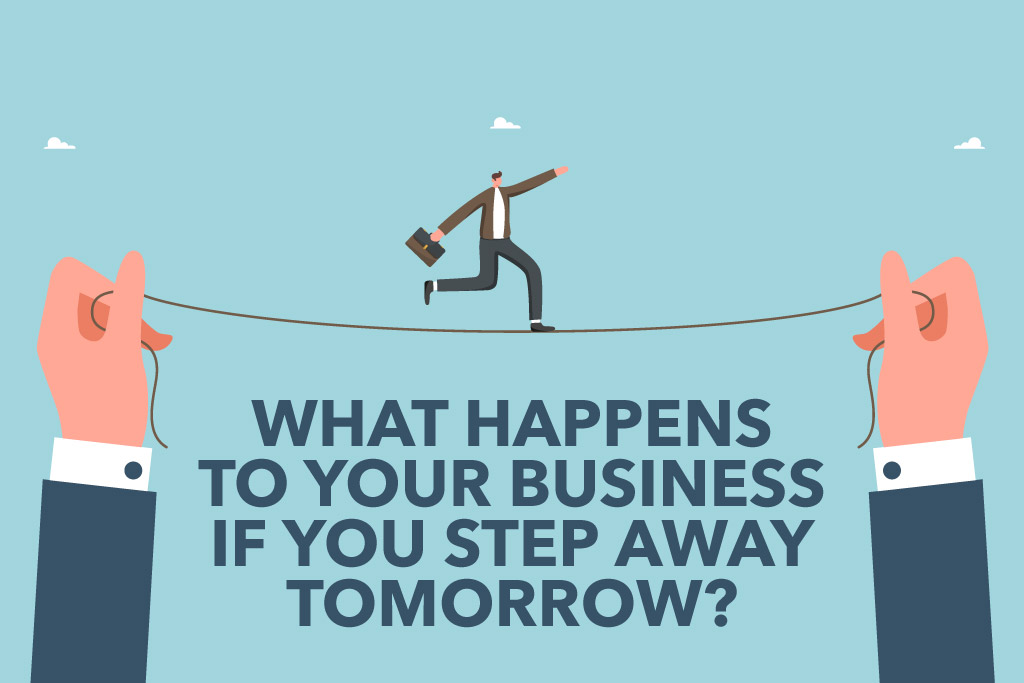
Many SME owners spend years building their businesses through grit, long hours, and personal sacrifice. But fewer pause to ask a critical question: what happens if you suddenly step away tomorrow, whether due to illness, incapacity, or unforeseen circumstances?
In Singapore, this question is especially important because many small and medium-sized enterprises (SMEs) are closely held, often family-run, and heavily dependent on the founder’s decisions. While most owners want their business to continue beyond them, many have not put a clear plan in place to make that possible.
When leadership disappears, so does certainty
One of the biggest risks in the absence of continuity planning is the sudden vacuum in leadership. In many SMEs, the founder is the central decision-maker, handling finances, supplier relationships, hiring, and strategic direction.
If that person is suddenly gone, there may be no one formally empowered or prepared to take over. Even capable employees can be left uncertain about authority, leading to hesitation in decision-making at a time when speed matters most.
Legal processes can freeze the business
Without proper succession or estate planning, a business may be pulled into probate after the owner’s death. During probate, a court validates the will (if one exists) and appoints an executor to manage asset distribution.
While this process ensures legal order, it can also create operational strain. Business assets, including bank accounts and shares, may be frozen, restricting access to cash flow. For SMEs that rely on daily liquidity, this can quickly affect payroll, supplier payments, and ongoing contracts, potentially halting operations altogether.
Ownership disputes can emerge quickly
Another major risk is uncertainty over ownership. If shares are passed down without a structured plan, heirs may inherit equal or unclear stakes in the business, but not necessarily the same vision.
Some may want to continue running the company, while others may prefer to sell. Without pre-agreed rules, this can lead to disagreements among family members or partners, slowing down decisions or even forcing a breakup of the business.
This is where structured tools such as buy-sell agreements become critical. These agreements define how ownership transfers occur in events like death, retirement, or incapacity, helping prevent conflict and protecting continuity.
Planning tools that keep a business stable
A strong continuity plan typically includes several elements.
- Identifying and developing a successor early, whether a family member, employee, or external hire, ensures leadership continuity is not left to chance.
- Ownership structures and legal safeguards, such as buy-sell agreements, help control how shares are transferred.
- Key person insurance can provide financial breathing room if a critical leader is suddenly gone, supporting operations during transition.
- Integrating business assets into personal estate planning ensures that ownership instructions are legally clear, reducing ambiguity for surviving stakeholders.
Continuity is built before it’s needed
Many business owners delay succession planning because they are focused on daily operations. But as highlighted in real SME cases, delaying this conversation can put both business stability and family relationships at risk.
Ultimately, continuity planning is not just about preparing for the worst; it is about protecting what has already been built. A business that plans is far more likely to survive transition, preserve value, and carry its legacy forward.
CONNECT WITH SUMMIT PLANNERS
Partner with Summit Planners for holistic business and estate planning solutions. Contact us or visit our website to schedule a consultation.
Sources:
- https://www.businesstimes.com.sg/singapore/smes/when-sme-owners-delay-succession-planning-their-business-and-family-pay-price
- https://www.channelnewsasia.com/today/ground-up/sme-succession-planning-talent-lacking-5476416
- https://singaporelegaladvice.com/law-articles/business-succession-planning
Disclaimer:
The information provided is for general information only and does not constitute financial advice. While we have taken care to check the source of the information, we cannot guarantee that the information is accurate, complete, or will suit your individual financial needs. You are advised to seek professional assistance.
Share on Facebook Share on LinkedIn Share